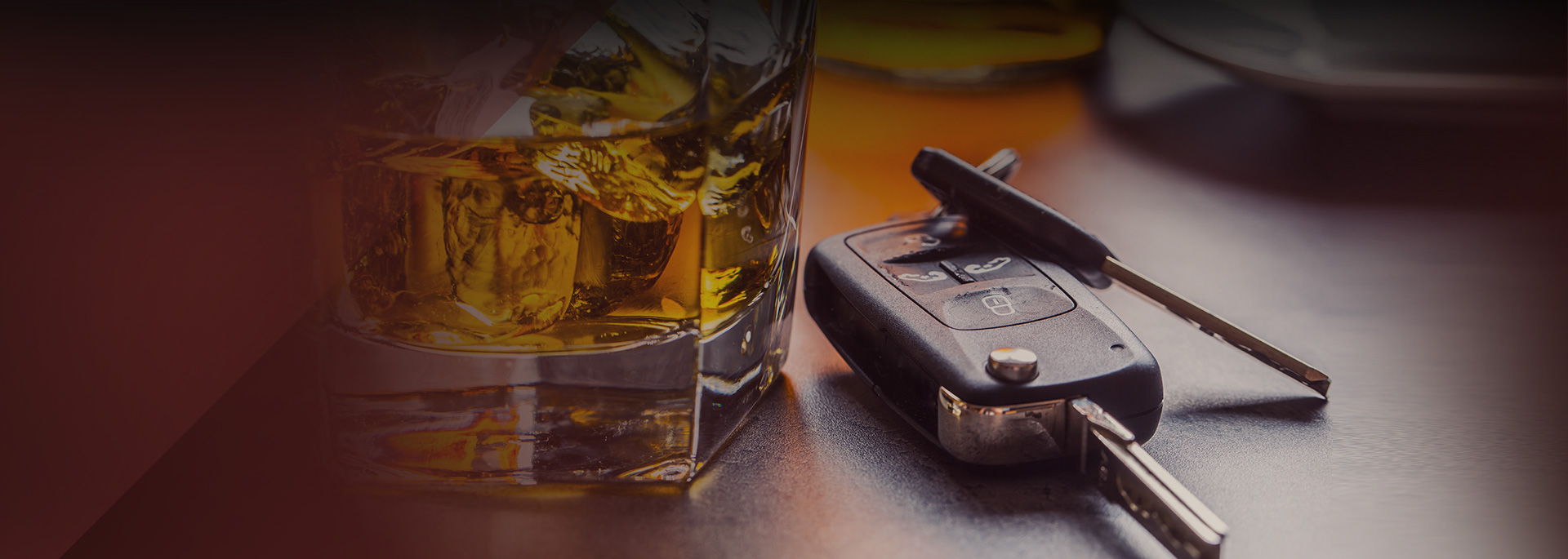
What is Urinalysis?
Urinalysis for measuring Blood Alcohol Concentration (BAC) is a method used to determine the presence and concentration of alcohol in a person's system by analyzing a urine sample. While more commonly, BAC is measured directly from blood samples or breathalyzers, urinalysis can be used as an alternative, particularly in certain legal, medical, or employment contexts. Here’s a detailed explanation:
How Urinalysis Works for Measuring BAC
- Collection of Urine Sample: A urine sample is collected from the individual in a sterile container. This sample must be collected under controlled conditions to ensure its integrity and to prevent tampering.
- Detection of Ethanol: The primary component tested in the urine is ethanol, the type of alcohol found in alcoholic beverages. When a person consumes alcohol, it gets absorbed into the bloodstream and is eventually metabolized by the liver. However, not all of it gets metabolized, and some is excreted unchanged in the urine.
- Analysis: The urine sample is analyzed using various techniques, such as gas chromatography, enzymatic assays, or immunoassays, to detect and measure the concentration of ethanol.
- Timing: Ethanol can be detected in urine for up to 12-48 hours after the last drink, depending on various factors like the amount of alcohol consumed, the individual’s metabolism, and overall health.
Correlation with BAC:
- Unlike blood or breath tests, which provide a more immediate measure of current BAC, urinalysis indicates the presence of alcohol and can provide an estimate of BAC over the recent past.
- Because urine represents a cumulative amount of alcohol excreted over time, it doesn’t provide a real-time snapshot of BAC. Typically, the concentration of alcohol in urine can be roughly 1.33 times the concentration in the blood.


.2408161328502.png "Super Lawyers | 5 Years")
.2309081227201.png "Lexis Nexis")








.2503051209514.png "Super Lawyers")





How Accurate is Urinalysis for Measuring Blood-Alcohol?
Not very.
Despite this, many states still permit urinalysis to be used in determining a suspect’s blood-alcohol concentration. This is consistently the least accurate of the three available methods of analysis. The reasons for this are basically three.
First, the test is completely dependent on the subject voiding his bladder and then waiting 20 minutes for fresh urine to be secreted into the bladder for a more representative sample. And it is virtually impossible for an individual to completely void his bladder: There will usually be about 10cc of old urine left. This urine will combine with approximately 20cc of fresh urine produced during the wait, resulting in a sample that is one-third old urine — a sample that will contain alcohol from many hours before the subect was driving.
Second, the concentration of alcohol in the blood is arrived at by assuming that the amount of alcohol in the urine is 1.33 times greater. In other words, a partition ratio of 1.33:1 is used. And as I’ve written in an earlier post concerning breath-to-blood partition ratios (” ), this is only an average: the ratio varies from person to person and within one person from moment to moment. Translated into practical consequences, a person with a blood-urine ratio of 2.0:1 who has, for example, a true blood-alcohol level of .06% will have his urine sample analyzed as indicating a blood-alcohol level of .10% — that is, a presumably sober person will be “scientifically” proven to be under the influence of alcohol.
Third, urine often contains a yeast called Candida albicans. This organism has an interesting characteristic: it manufactures alcohol in the urine (caused by the interaction with glucose). This “immaculate conception” of alcohol in the bladder has been confirmed by numerous scientific studies. See, for example, “Bladder Beer — A New Clinical Observation”, 95 Transactions of the American Clinical Climatological Association 34.
To make things more interesting, Candida albicans is also unaffected by preservatives added by the police to urine specimens. In other words, alcohol will continue to be produced inside the evidence vial for days until it is finally analyzed at the crime lab.
The post How Accurate is Urinalysis for Measuring Blood-Alcohol? appeared first on Law Offices of Taylor and Taylor - DUI Central.

-
“Im am so glad that I read the reviews of Taylor and Taylor after my first "incident" and immediately contacted them. Chris was great at calming my nerves as this was my 1st offense and at a .06 it was right on the line on a trial or pleading it o”Suzi J.
-
“Truly great team of lawyers. Handled everything the very best they could. Can definitely rely on them.”Nick T.
-
“When you need to get a lawyer, you aren't usually in a great situation. I wasn't at least. Christopher and his team never made me feel ashamed, they just help me get through a situation where stuff happens.”Jessica S.
-
“I received counsel in a sensitive legal matter from Lawrence Taylor Sr., and his advice was spot on. I did some research and I also know that the senior Mr. Taylor is in the top echelon in his field. He has written text books on DUI and he has taught the t”Jerry S.



-
Reduced to Reckless Driving (fine) Original charge - Drunk Driving
San Bernadino - 6 months jail, fine, license suspension.
-
Reduced to Exhibition of Speed (fine) Original charge - Drunk Driving
Los Angeles - 6 months jail, fine, license suspension.
-
Reduced to Exhibition of Speed (fine) Original charge - Drunk Driving
Los Angeles - 6 months jail, fine, license suspension.
-
Dismissed Original Charge - Drunk Driving
Huntington Beach - Facing jailtime, fines and license suspension
10/31/24
-
Reduced to Illegal U-Turn (fine) Original charge - Drunk Driving
Los Angeles - 6 months jail, fine, license suspension.
-
Reduced to Exhibition of Speed (fine) Original charge - Drunk Driving
Los Angeles - 6 months jail, fine, license suspension.
-
Reduced to Reckless Driving (fine) Original charge - Drunk Driving (.15%)
Westminster - 6 months jail, fine, license suspension.
-
Jury Trial – Not Guilty Original charge - Drunk Driving
Barstow - 6 months jail, fine, license suspension.
-
Dismissed Original Charge - Possession of an open container in a public placeHuntington Beach - Facing jailtime and fines
-
Reduced to Exhibition of Speed (fine) Original charge - Drunk Driving
Los Angeles - 6 months jail, fine, license suspension.
-
Evidence Suppressed, Charges Dismissed Original charge - Drunk Driving
Alhambra - 6 months jail, fine, license suspension.
-
Reduced to Wet Reckless Original Charge - Drunk Driving
Fallbrook - Facing Jail time, fines and license suspension
8/9/24