Sobriety Checkpoints
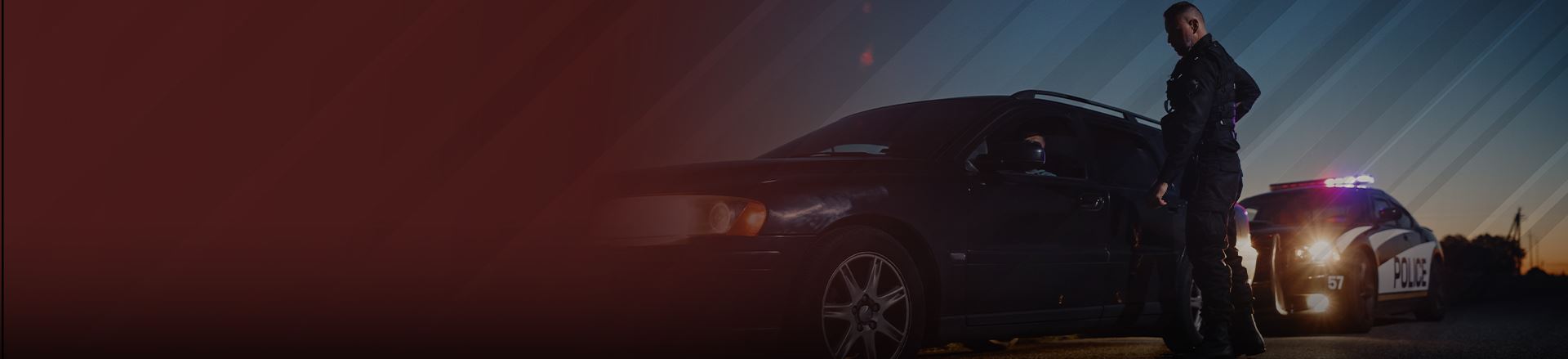
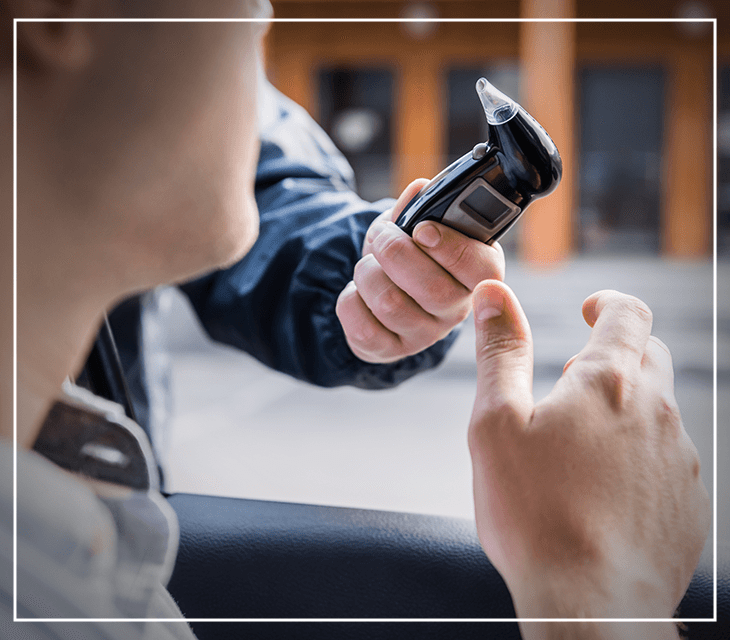
DUI checkpoints are used throughout California to find and arrest drunk drivers. These checkpoints are commonly found on highways or surface streets. If the symptoms of a DUI are noticed, the driver will be requested to step out of the vehicle and perform field sobriety tests at the scene.
The United States Supreme Court found in the case of Michigan Department of State Police v. Sitz, 496 U.S., 444 (190) that DUI checkpoints do not violate the Fourth Amendment’s prohibition against unreasonable searches and seizures and sobriety checkpoints outweighed the constitutional rights of the individual citizen. It was ruled that the interests of the government in identifying DUI drivers, reducing the fatalities overturned, the intrusion of human privacy rights, and sobriety checkpoints were acceptable.
DUI lawyers must consider the accuracy and adequacy of the procedures employed. Chief Justice Rehnquist has acknowledged that there should be some “guidelines” in place to conduct a sobriety test in a permissible manner. The California Supreme Court put forward the best safeguards required for the sobriety checkpoint to comply with the Constitution. Ingersoll v. Palmer, 743 P.2d 1299 (Cal. 1987).

-
"Won DMV hearing and got my case expunged for a minor issue"
Truly great team of lawyers. Handled everything the very best they could. Won DMV hearing and got my case expunged for a ...
Nick T. -
"Christopher always made me aware of what was going on with my hearings, and got me the best outcome possible."
When you need to get a lawyer, you aren't usually in a great situation. I wasn't at least. Christopher and his team never ...
Jessica S. -
"Mrs. Normandeau is by far the hardest-working and most diligent attorney I have ever met."
I cannot express enough gratitude towards Taylor and Taylor's Attorney, Jeanne Normandeau. I hired Mrs. Normandeau for a VERY ...
Bruce R. -
"I have come across many attorneys in my life and I have never been treated as well as I have her"
I have come across many attorneys in my life and I have never been treated as well as I have here. Every phone call was ...
Anthony D. -
"This is a top level law firm. The Bible of DUI's comes from this firm!"
This is a top level law firm. The Bible of DUI's comes from this firm! These are the guys other attorneys call when they are ...
Tania C. -
"They will fight strategically to help you win your case."
These are the best lawyers in LA/OC when it comes to DUI cases. They will fight strategically to help you win your case. My ...
Kendall L. -
"Chris not only got me down to a Wet Reckless but was able to significantly reduce the penalties I would face."
Im am so glad that I read the reviews of Taylor and Taylor after my first "incident" and immediately contacted them. Chris ...
Suzi J. -
"I would recommend this firm with no qualms!"
I received counsel in a sensitive legal matter from Lawrence Taylor Sr., and his advice was spot on. I did some research and ...
Jerry S. -
"Thankfully Mr. Taylor was able to help fight my case without me ever having to go to court"
You should never drink and drive anywhere, but especially don't do it in la Jolla! Cops down here have nothing better to do ...
Steven K. -
"Jeanne Normandeau is a great lawyer. She knows how the Riverside court judges work."
Jeanne Normandeau is a great lawyer. She knows how the Riverside court judges work. She will fight for you and will get you ...
Joe E.
Find Sobriety Checkpoint Locations
The following resources contain more information on where the find DUI checkpoints near you:
- California DUI Checkpoints: Recent Alerts A listing of recent alerts and planned checkpoints in California.
- Current California DUI Checkpoint Locations California DUI Checkpoint Information given through alerts on Facebook.
- Orange California DUI Checkpoints Alerts for sobriety checkpoints throughout Orange County — Irvine, Huntington Beach, Anaheim, Newport Beach, Fullerton, etc.
- Checkpoint Alerts Real-time SMS text alerts for Los Angeles, Orange County, Inland Empire and San Diego.
- Local Los Angeles DUI Checkpoints Recent text message and email location alerts.
- Riverside Sobriety Checkpoints DUI Roadblock text and email alerts throughout Riverside County: Murrieta, Indio, Corona, Temecula, etc.
- San Bernardino DUI Checkpoints Alerts for cities in San Bernardino County: San Bernardino, Rancho Cucamonga, Ontario, Chino, Redlands, etc.
- Orange County DUI Checkpoints Alerts for sobriety checkpoints throughout Orange County — Irvine, Huntington Beach, Anaheim, Newport Beach, Fullerton, etc.
- Latest DUI Checkpoint Locations A Twitter profile providing tweets about DUI checkpoint locations with an emphasis on California, Ohio, and Florida.
- Latest Orange County DUI Checkpoints A Twitter profile focused on sobriety checkpoints for Orange County.
With an average of 32 years of experience, a top A-V rating, and a listing in the Bar Register of Preeminent Lawyers, the firm continues to be widely recognized as California’s premier DUI defense attorney's and has twice been recognized in the American Bar Association Journal for its specialization and unique technical support staff of former law enforcement, blood-alcohol and DMV experts.
Legality and Effectiveness of DUI Checkpoints
What is the Purpose of DUI Checkpoints? The theoretical purpose of DUI sobriety checkpoints is to detect and apprehend drunk drivers. However, this has proven to be, in fact, secondary to other purposes — such as a dragnet to raise revenue from citations for traffic, license, registration and equipment violations. See “DUI Roadblocks for Fun and Profit”. Another primary purpose has been a deterrent one — that is, to simply deter people from driving. See “Police Department Explains Real Purpose of DUI Roadblocks: Shock and Awe”.
- Sobriety Checkpoint Issues Discussion of guidelines and requirements in setting up DUI roadblocks in California.
- US Supreme Court Decision on Sobriety Checkpoints The Court’s complete landmark opinion in Michigan v. Sitz.
- National Sobriety Checkpoint Laws A chart from Governors Highway Safety Association of the sobriety checkpoint laws. Confirmed by the Federal Government NHTSA Studies and indicated by Michigan Court of Appeals: The net effect of sobriety checkpoints on traffic safety is small and possibly negative.
- General Information About Random DUI Checkpoints
- Legal Issues of DUI Checkpoints
- California Supreme Court decision on standards for DUI sobriety checkpoints
To learn more about sobriety checkpoints, speak to a knowledgeable attorney at The Law Offices Of Taylor & Taylor in California today. We can be reached
at (562) 330-4173 or you can fill out our online contact form.